
Physiotherapy
Pelvic Floor Physiotherapy (PFPT)
Pelvic health physiotherapy can address a variety of conditions, helping restore strength, flexibility, and proper function to the muscles of the pelvic region.
What is Pelvic Floor Physiotherapy?
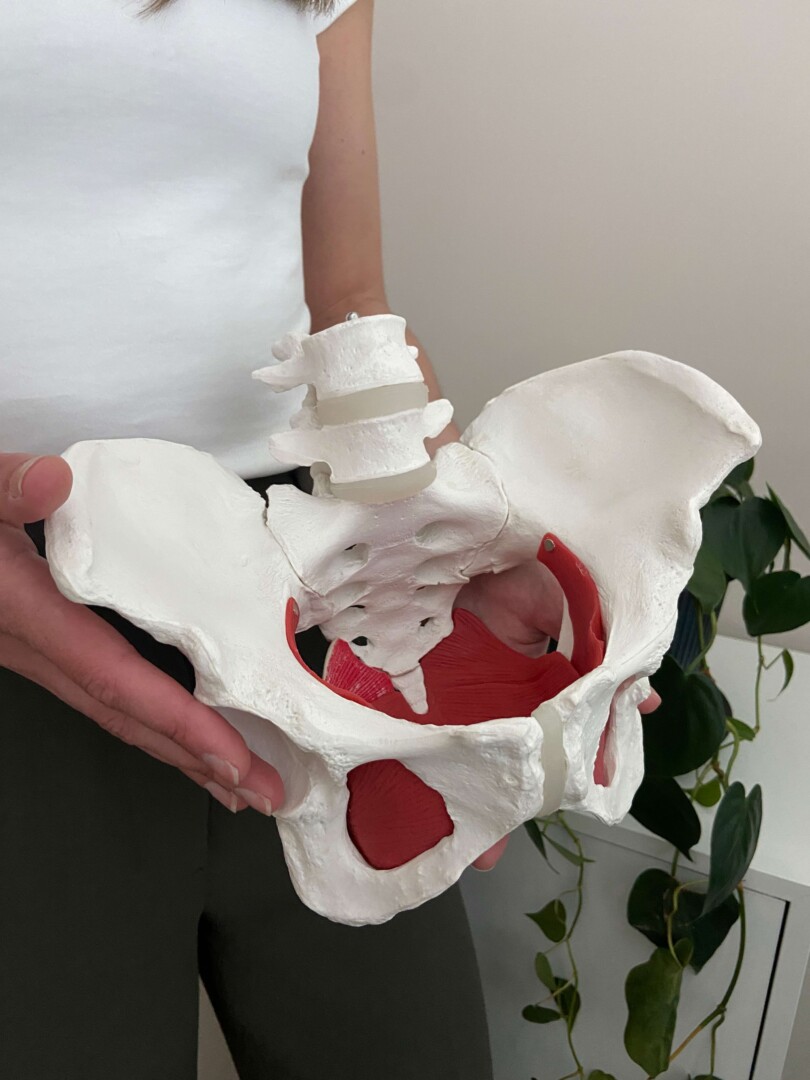
Pelvic floor physiotherapy focuses on assessing and treating the muscles, tissues, and joints of the pelvic region. The pelvic floor plays a critical role in core stability, bladder and bowel control, sexual function, and supporting internal organs. Dysfunctions in this area can result in discomfort, pain, incontinence, or other health concerns.
With specialized techniques and exercises, pelvic health physiotherapy can address a variety of conditions, helping restore strength, flexibility, and proper function to the muscles of the pelvic region.
Pelvic Health Physiotherapists
At Baseline Health and Wellness Burnaby, we’re proud to introduce our new Pelvic Health Physiotherapist, who specializes in helping individuals overcome pelvic floor-related concerns and improve their quality of life. With a compassionate and professional approach, we’re here to guide you through your wellness journey.

What to Expect During Your Initial Assessment
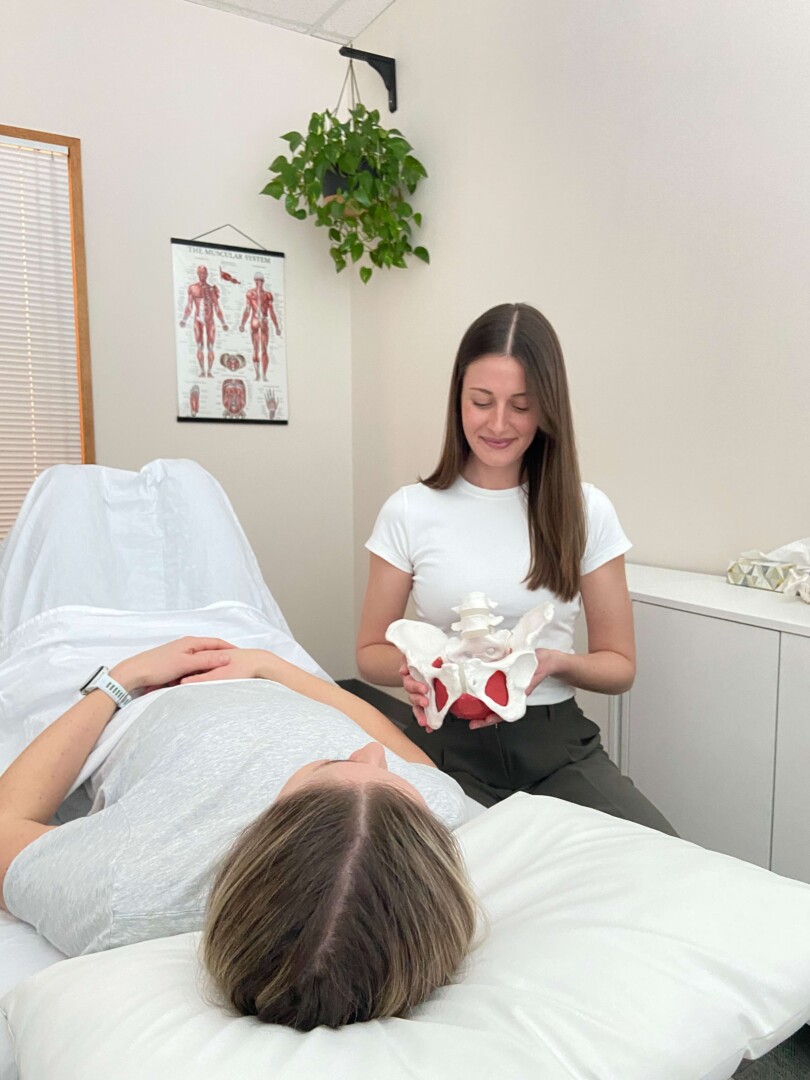
Rest assured that we prioritize your comfort throughout the process and will always involve you in decisions about your care. A lot of attention has been made to have a safe environment, using sheets to drape and privacy ensured in the treatment rooms. Your first appointment with our Pelvic Health Physiotherapist will be a welcoming and informative experience.
Comprehensive Discussion
We’ll begin by discussing your medical history, symptoms, and specific concerns. This is your opportunity to speak openly about how your pelvic health is affecting your life.
Movement Assessment
We’ll assess your posture, mobility, breathing, and overall muscle function to identify contributing factors to your condition.
Internal Examination
With your consent, an optional internal examination may be performed as part of the assessment or in a follow-up session. This provides valuable insight into the strength, coordination, and flexibility of your pelvic floor muscles. Our physiotherapist is trained in pelvic exams and has the ability to assess either vaginally or rectally. It is conducted respectfully and professionally in a private and comfortable environment.
Personalized Plan
Based on the findings, we’ll create a customized treatment plan tailored to your goals. This may include exercises, hands-on techniques, or lifestyle modifications to support your progress.
How Can You Benefit from Pelvic Floor Physiotherapy?
Pelvic health issues can significantly impact your day-to-day life, but the right care can make a noticeable difference. Here’s how you can benefit:
- Better Bladder and Bowel Control: Address incontinence or urge-related issues and regain control over your body.
- Pain Relief: Alleviate pelvic pain caused by muscle dysfunction, postpartum recovery, or chronic conditions.
- Improved Sexual Health: Resolve discomfort during intimacy, whether caused by muscle tightness, scarring, or other issues.
- Prenatal Care: Prepare your body for the demands of pregnancy, improve pain or discomfort, and prepare for birth.
- Postpartum Recovery: Rebuild strength, address birth-related traumas, and recover with targeted guidance.
- Pre- and Post-Surgery Care: Prepare your pelvic and abdominal muscles for gynecologic or urologic surgeries and recover more effectively afterward.
- Support During Menopause: Manage changes to the pelvic region such as dryness and incontinence, and maintain overall wellness during this life stage.
Whether you're dealing with a specific concern or would like to optimize your pelvic health, physiotherapy can help.
Why Might You See a Pelvic Floor Physiotherapist?
If you’re experiencing any of the following concerns, pelvic floor physiotherapy may be beneficial for you:
- Urinary incontinence or urgency
- Fecal incontinence or trouble controlling bowels
- Pain during sexual activity
- Pelvic organ prolapse
- Chronic pelvic pain
- Bladder pain syndrome/interstitial cystitis
- Constipation
- Pain after giving birth or a cesarean section
- Diastasis recti (separation of abdominal muscles postpartum)
- Tailbone pain
- Issues related to menopause including dryness, incontinence or discomfort
- Recovery from pelvic, abdominal or breast surgery including scar treatment
- Support for pregnancy or postpartum discomfort
- Support with return to exercise postpartum
- Male pelvic health concerns including bladder and bowel, prostate surgery, sexual function and pelvic pain
Even if you're unsure whether your symptoms require care, seeking an assessment can provide clarity and reassurance.
When to See Your Physiotherapist During Pregnancy and Postpartum?
There is lots that can be done to optimize your pelvic health throughout the whole pregnancy and postpartum journey. We recommend the following check-ins with our pelvic floor physiotherapist as a general guideline: